90°, 135° and 180° Shower Door Hinges: What B2B Buyers Should Check
AoTi Hardware · Hardware selection notes ·
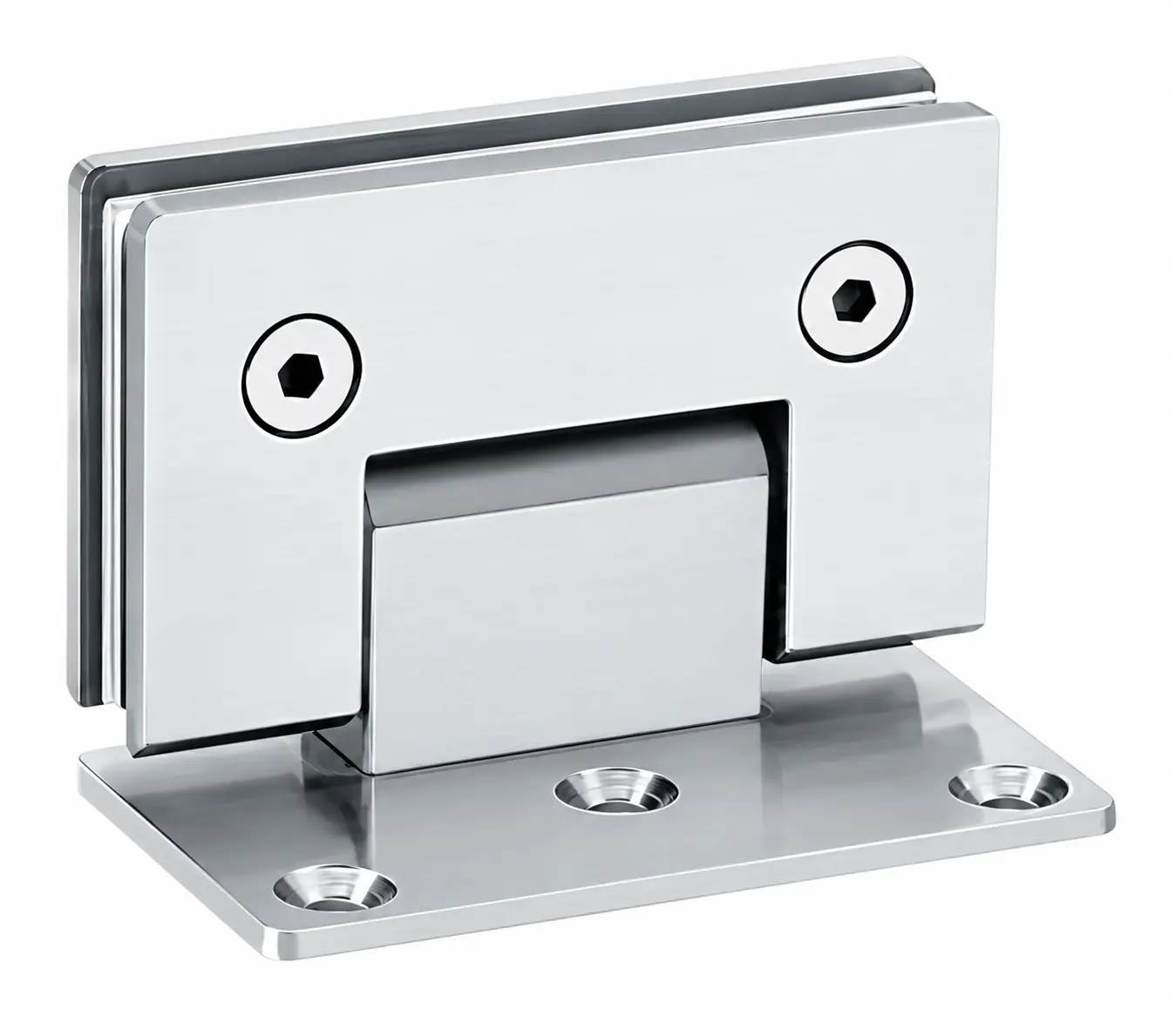
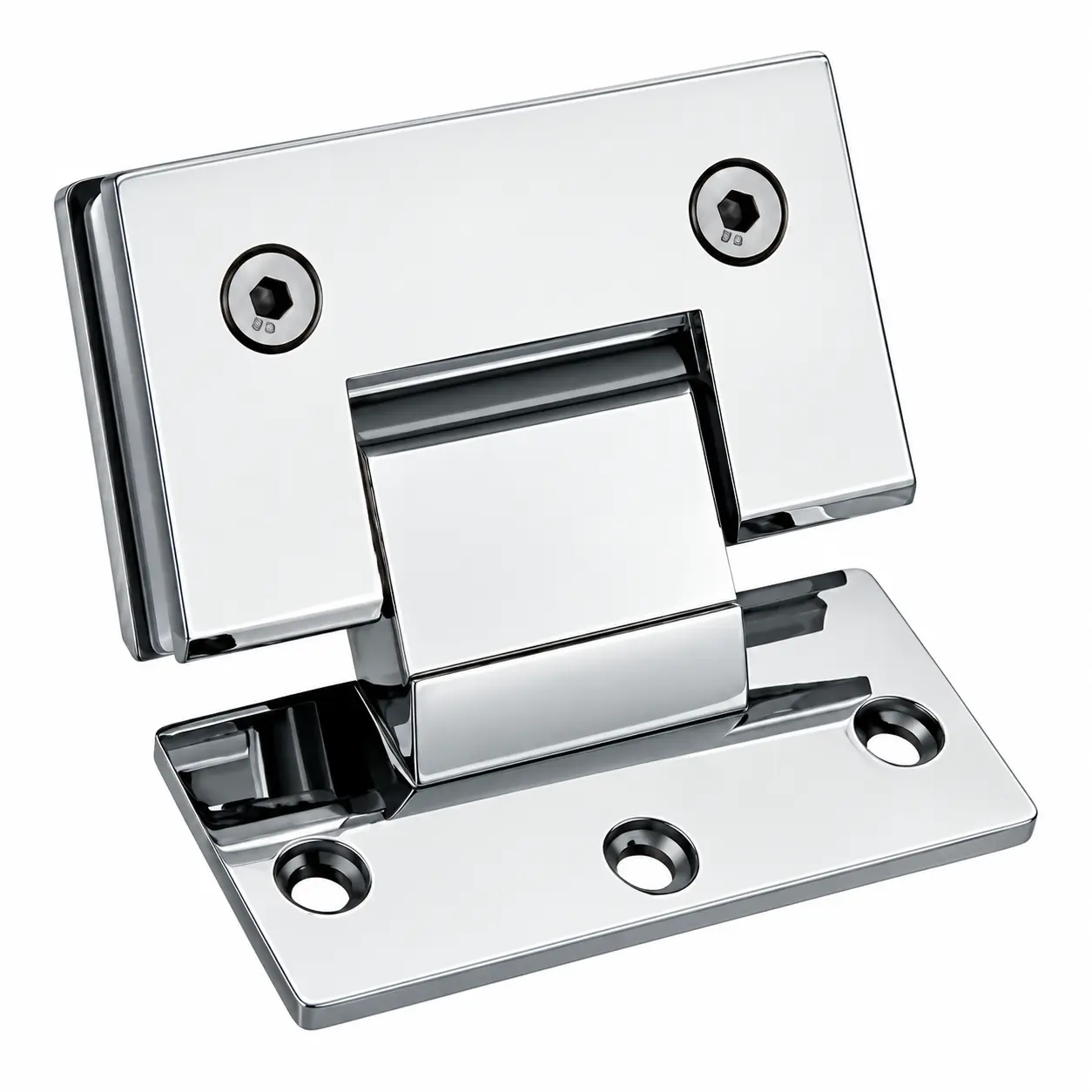
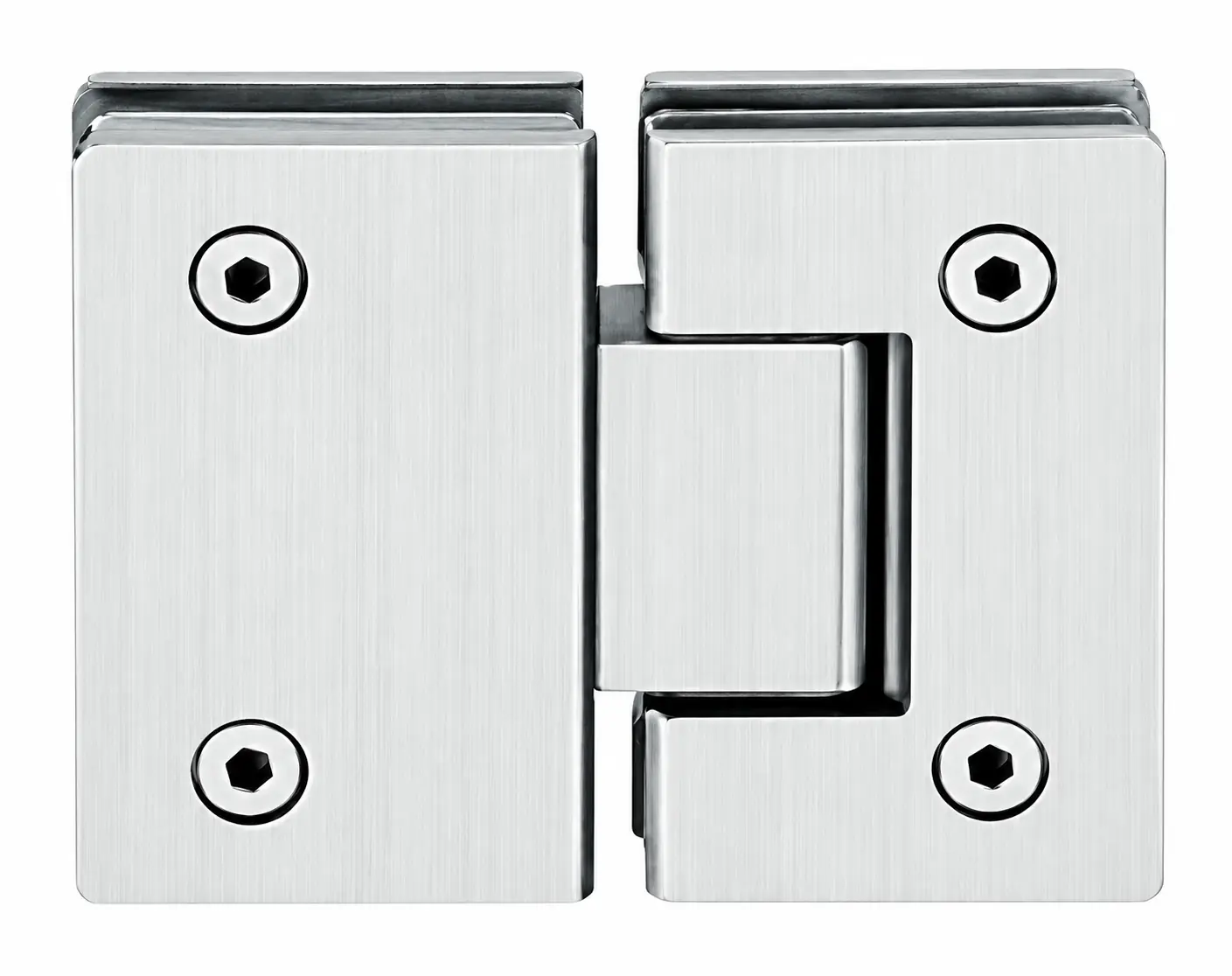
Catalogue angle labels identify the models shown. Confirm connection geometry and door movement using the selected model drawing.
Understanding shower door hinge angles is a starting point for selection. To confirm a model, buyers also need the enclosure layout, the connection detail and the drawing for the exact fitting being ordered.
For shower enclosure manufacturers, hardware wholesalers and project buyers, the useful question is: “Does this model match the way our door connects and operates?” Answering that before ordering makes the quotation and drawing review more precise.
Start with the enclosure layout
Prepare a simple plan view showing the door in its closed position. Mark the moving leaf, fixed glass, adjacent walls and the direction in which the door needs to open. Identify each hinge location on the same drawing.
Then add a short description of the connection at that location. A catalogue photograph can help identify an appearance, but the installation drawing should establish how the fitting attaches to the glass and supporting surface.
Keep the plan view and the model reference together when requesting a quotation. A model number without a layout leaves part of the requirement unstated; a layout without a model leaves the proposed hardware unclear.
Separate the angle label from the operating requirement
Keep these three questions separate during selection:
- What angle is listed for the model? Record the catalogue designation exactly.
- What is the connection geometry? Show the relationship between the door and the adjacent surface in the closed position.
- How must the door move? Describe the required opening direction, clearance and any closing requirements.
Do not assume that a product titled “180° hinge” permits 180° of door travel. Likewise, a 90° designation alone does not confirm every aspect of opening or closing behaviour. Ask for the operating information for the selected version.
This distinction matters when comparing quotations. Two suppliers may use a similar angle description while offering fittings with different drawings or operating details.
Compare the three AoTi Hardware references
Whether you are comparing a 90 degree shower door hinge, a 135 degree model or a 180 degree model, the following references provide a starting shortlist from the AoTi Hardware catalogue. The table records their published angle labels; it does not establish interchangeability or suitability for a particular enclosure.
| Published angle label | Product reference | What to check next |
|---|---|---|
| 90° | AT-A001 90° Shower Door Hinge | Compare the selected version’s installation arrangement with the closed-door layout. |
| 135° | AT-A003 135° Shower Door Hinge | Confirm how the catalogue angle relates to the proposed connection geometry. |
| 180° | AT-A006 180° Shower Door Hinge | Confirm the connection drawing and required door movement separately. |
If the proposed layout is unclear, send a marked drawing with the shortlist rather than selecting a model from the angle label alone.
Confirm the exact version before preparing glass
Use one agreed model and drawing revision for purchasing and glass preparation. Record the dimensions in a consistent unit and identify which measurements belong to the fitting, the fixing holes and the glass preparation.
Before releasing the drawing, check:
- The complete model reference, including any suffix.
- Glass thickness and door dimensions.
- Required holes, cut-outs and their positions.
- The installation arrangement and available supporting structure.
- Clearances to adjacent glass, walls and other fittings.
- The model-specific requirements for door weight and hinge quantity.
Do not transfer a load limit, cut-out or fixing pattern from a similar-looking hinge without confirmation. A substitute model should go through its own drawing review.
For a broader view of the enclosure, use the glass hardware selection guide.
Make angle and model identification clear on the order
For wholesale purchasing, identify each variant as a separate order line. Specify the full reference, requested material and finish, quantity and any agreed packaging identification.
For projects with several bathroom layouts, connect each hardware line to a layout reference. For example, a quotation sheet can include columns for “Bathroom layout,” “Hinge location” and “Proposed model.” This gives the supplier and project team a shared way to discuss an item without relying on photographs alone.
If material or finish alternatives are being quoted, keep those alternatives visible in the quotation. Confirm the supplied specification before approving the order.
What to send for a more useful hinge quotation
Include the following information in your inquiry:
| Item | Information to provide |
|---|---|
| Layout | A marked plan view with the door closed and required opening direction |
| Product | Proposed AT model references and hinge locations |
| Glass | Thickness, door width and height, and door weight if available |
| Connection | Adjacent wall or glass details and available fixing structure |
| Appearance | Requested material and finish |
| Purchase | Quantity by model, destination and required schedule |
| Drawing review | Any existing glass preparation and the drawing revision being used |
Where a value is unknown, mark it as “to be confirmed.” This lets the supplier identify the missing information before a model is approved.
Frequently asked questions
Is a hinge’s listed angle the same as its maximum opening angle?
Do not assume they are the same. Confirm the meaning of the catalogue angle, the connection arrangement and the permitted door movement for the exact model.
Can I replace a 90° hinge with a 135° or 180° model?
Treat it as a new selection requiring review. Compare the enclosure geometry, fixing details, glass preparation and operating requirements before approving a replacement.
Can one glass cut-out be used for several hinge models?
Only use a shared cut-out after compatibility has been confirmed against the drawings for those exact models and versions. Similar appearance does not establish a common preparation pattern.
What if I do not know which angle to request?
Send a plan view showing the closed door, adjacent wall or fixed panel, and required opening direction. Include glass dimensions and photographs where helpful, and ask for the proposed model and drawing to be identified.
Should I compare a conventional hinge with a pivot fitting?
If both are being considered for the enclosure, review the different mounting arrangements and requirements. The shower door hinges versus pivot hinges guide provides a starting comparison.
Prepare your model shortlist with AoTi Hardware
Start with the references above, then send your enclosure drawing, glass details and quantity by model. Include your requested material, finish and delivery destination so the inquiry can be reviewed against a clear requirement.
Contact AoTi Hardware to discuss your shortlist and request confirmation of the selected versions and drawings before ordering.